
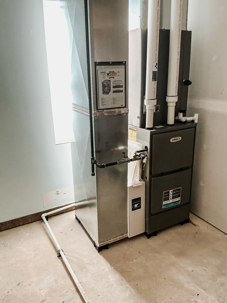
One of the most common winter heat-pump calls begins with the electric bill. The home still feels warm, so the homeowner assumes the equipment is working. What they may not realize is that electric backup heat has been carrying part of the load.
Auxiliary heat is not automatically a failure. It is part of many heat-pump designs. The real questions are why it is running, how often it is running and whether the heat pump is delivering the capacity it should.
Heat pump heat and resistance heat are not the same
A heat pump transfers heat from outdoors into the home. Electric resistance elements—often called heat strips—create heat directly. DOE guidance notes that heat pumps can use substantially less electricity than resistance heating because moving heat is different from generating it.
Heat strips can be necessary during very cold weather, a defrost cycle, equipment lockout or a large thermostat recovery. They become expensive when they operate longer or earlier than the system design requires.
Common reasons the AUX indicator appears
The outdoor load exceeds heat-pump capacity
As outdoor temperature falls, an air-source heat pump generally has less available heating capacity while the home loses heat faster. The balance point is where the heat pump alone can no longer keep up. Supplemental heat above or below that point depends on the equipment, load calculation and control strategy.
The thermostat is recovering from a setback
Some thermostats bring on auxiliary heat when the room temperature is several degrees below the new setpoint or when recovery takes too long. A large morning jump can therefore use heat strips even though the compressor is healthy.
The system is defrosting
Frost on an outdoor coil is normal in certain winter conditions. During defrost, the system temporarily reverses operation to warm the outdoor coil. Supplemental heat may temper the indoor air. A short defrost event is different from an outdoor unit encased in ice.
The heat pump is not producing full capacity
Dirty filters, restricted airflow, a dirty coil, refrigerant problems, sensor faults, failing components or incorrect thermostat configuration can reduce heat-pump output. The house may stay warm because the heat strips silently make up the difference.
Signs auxiliary heat deserves attention
- The AUX or supplemental-heat indicator runs for long periods in moderate weather.
- Electrical use changes sharply without a matching weather change.
- The outdoor unit is not operating while the air handler supplies hot air.
- The system switches between compressor heat and resistance heat frequently.
- The home takes an unusually long time to recover from a small temperature change.
- Ice covers most of the outdoor coil and does not clear after a normal defrost.
A utility bill alone cannot diagnose the cause. Compare outdoor temperatures, thermostat history and total household usage, then have the system's actual performance measured.
What a technician should evaluate
A useful heat-pump visit goes beyond confirming that warm air reaches the registers. We look at thermostat staging and lockouts, compressor operation, temperature rise, airflow, refrigerant performance, defrost controls and the electrical draw of the supplemental heaters. We also compare the installed capacity with the home's needs.
This distinction matters: backup heat that runs because the home exceeds the heat pump's design capacity is different from backup heat that runs because the heat pump is underperforming.
Frequently asked questions
Is emergency heat the same as auxiliary heat?
They often use the same resistance elements, but the control intent is different. Auxiliary heat is automatically added to support the heat pump. Emergency-heat mode generally locks out the compressor and relies on the backup source. Do not select emergency heat simply to make the air feel warmer.
Can I disable the heat strips?
Not as a blanket solution. They may be required for design conditions, defrost tempering or equipment protection. The safer approach is to correct unnecessary operation through proper diagnosis and control settings.
Does AUX always mean something is wrong?
No. Brief operation during defrost or extreme cold may be expected. Persistent operation during ordinary winter weather, especially with a large bill increase, should be checked.
Get an answer before replacing equipment
West Jefferson Plumbing & Heating can determine whether a Central Ohio heat pump is using backup heat normally or masking another problem. Our team serves Circleville and communities across Pickaway, Ross, Fairfield and Fayette Counties. We explain the findings, the likely operating-cost effect and the repair or control options before any decision is made.
Suggested internal links: HVAC Services; HVAC Service Agreements; Article 1 in this package Authoritative sources: DOE Heat Pump Systems; Building America heat-pump homeowner guide
Homeowner question that inspired this article: A Southwest Ohio homeowner sees backup heat at 17–25°F and worries about electricity use