
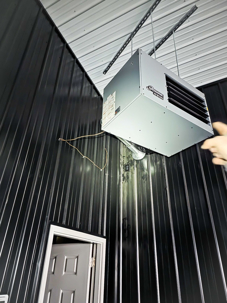
A dual-fuel system pairs an electric heat pump with a fuel-fired furnace, usually natural gas or propane. The heat pump handles cooling and much of the heating season. The furnace takes over when the controls determine that it is the better or necessary heat source.
For Central Ohio, dual fuel can be a strong option—but not because one fuel is always cheaper. The decision depends on available utilities, equipment performance, backup-power goals and the way the controls are set up.
Electric backup and fuel backup solve the same load differently
An all-electric heat-pump system commonly uses resistance heat to supplement the compressor during very cold weather, defrost or recovery. A dual-fuel system instead shifts to a furnace.
That can reduce the electrical demand during peak heating. It can also provide the warmer supply-air temperature many homeowners associate with furnace heat. The tradeoffs include additional combustion equipment, venting, gas piping and control requirements.
Start with the available fuel
Natural gas
Where natural gas service already exists and the gas piping has adequate capacity, a dual-fuel system may provide a predictable backup option. Compare actual local utility rates and equipment efficiencies rather than assuming gas always wins.
Propane
Propane makes sense in many rural homes, but delivered price and tank management matter. A homeowner who can buy and store fuel ahead of winter has a different cost picture from one who relies on emergency delivery during high demand.
No gas available
A cold-climate heat pump with electric supplemental heat may still be an excellent design. DOE notes that modern cold-climate heat pumps can operate in low outdoor temperatures. The home load, equipment data and electrical service have to be evaluated together.
Whole-home generators change the discussion
Resistance backup heat can impose a very large electrical load. A generator sized to run a heat pump compressor, air handler and heat strips may be substantially larger than one that runs the heat pump or furnace blower with fuel-fired backup.
If backup power is part of the plan, coordinate the HVAC design and generator load calculation before choosing equipment. “The generator runs the furnace” does not automatically mean it can run the entire heat-pump system.
The changeover temperature is not a guess
Dual-fuel controls decide when to operate the heat pump and when to shift to the furnace. A simple outdoor lockout can work, but the most economical changeover depends on:
- Heat-pump capacity and efficiency at each outdoor temperature.
- The home's heating load.
- Furnace efficiency.
- Electric and fuel prices.
- Comfort preferences and demand charges, if any.
- Manufacturer control requirements.
The point where the heat pump needs help is not necessarily the same point where the furnace costs less to operate.
Why design and setup matter
ACCA Manual S includes procedures for heat-pump and dual-fuel equipment selection. The contractor should calculate the load, review manufacturer performance data and explain the expected balance and changeover points.
Incorrect staging can cause unnecessary fuel switching, resistance operation or short cycling. Thermostat compatibility is part of the system, not an accessory to choose after installation.
Frequently asked questions
Can the heat pump and gas furnace run together?
Many conventional dual-fuel designs prevent simultaneous compressor and furnace operation because the indoor coil and controls are not intended for it. Follow the approved equipment and control sequence.
Is propane backup always cheaper than electric resistance?
No. Compare delivered propane price, furnace efficiency and electric rate. The result can change over time.
Does dual fuel make sense without a generator?
It can. Comfort, utility availability and peak-weather performance may justify it even without backup power.
Compare the whole system
West Jefferson Plumbing & Heating designs and services heat-pump and fuel-fired systems across Central Ohio, including Circleville and rural homes throughout Pickaway, Ross, Fairfield and Fayette Counties. We can compare load, available fuel, electrical service and backup-power goals before recommending a configuration.
Suggested internal links: HVAC Services; Electrical Services; Article 30 in this package Authoritative sources: DOE Heat Pump Systems; ACCA Manual S