
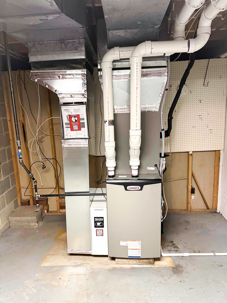
Homeowners hear two pieces of advice that seem to conflict: lower the thermostat while you are asleep or away to save energy, but leave a heat pump at one temperature so it does not use expensive backup heat. Both ideas contain some truth. The right answer depends on the equipment, the weather and how the thermostat handles recovery.
In Central Ohio, I would not use the same thermostat strategy for every home. A gas furnace, a single-stage heat pump, a variable-capacity heat pump and a geothermal system do not recover from a setback in the same way.
What a thermostat setback actually does
A setback is a temporary change from the temperature you normally maintain. For example, a homeowner might heat to 70°F while home, lower the setting to 67°F during work and ask the system to return to 70°F before dinner.
While the house is cooler, it generally loses heat more slowly. That is the basis for familiar energy-saving advice. A National Renewable Energy Laboratory guide states a rule of thumb of roughly 1% energy savings for each 1°F of eight-hour nighttime setback—but the guide is specifically about condensing boilers and hydronic systems. It is not a promise for every home, and it should not be treated as a universal heat-pump calculation.
The recovery period is where equipment type matters.
Why peak Central Ohio weather changes the answer
Properly selected HVAC equipment is intended to maintain comfort under local design conditions. When the outdoor temperature approaches the winter design point, a correctly sized system may have little excess capacity available. It can maintain 70°F yet take a long time to raise the entire house from 67°F to 70°F.
That does not mean the equipment is undersized. It may mean the homeowner is asking a system designed to maintain temperature to perform a fast recovery during one of the coldest hours of the day.
This is why I caution against a large setback during a Central Ohio cold snap. The same principle applies during extreme summer heat: a deep daytime setup can leave a properly sized air conditioner with a long evening recovery.
Heat pumps and auxiliary resistance heat
Many air-source heat pumps have electric resistance elements in the air handler. They provide supplemental heat when the heat pump cannot carry the full load or when the controls call for faster recovery. Resistance heat turns electricity directly into heat, while the heat pump moves heat. The resistance elements therefore can create a noticeable increase in electrical demand.
ASHRAE's efficiency provisions recognize this issue by calling for controls that prevent supplemental electric resistance heat when the heat pump alone can meet the load. Actual residential behavior depends on the thermostat, installer settings, outdoor conditions and equipment.
If a three- or five-degree recovery makes the thermostat energize heat strips, the extra consumption may erase much of the expected setback savings. A homeowner may never notice except for an “AUX” indication or a larger bill.
What about geothermal systems?
Geothermal is also a heat pump. It exchanges heat with the ground or groundwater instead of outdoor air, which gives it a more stable source temperature. Even so, a geothermal system may include supplemental resistance heat, and a large recovery can bring that heat on depending on system sizing and controls.
Geothermal and variable-capacity systems are especially good at maintaining a tight, steady temperature for long periods at low output. Large thermostat swings work against that operating style. In many homes, a stable setting—or a modest adjustment of a degree or two—provides the best balance of comfort and operating cost.
Gas furnaces are different
A gas furnace does not face the same electric-resistance recovery issue. Setbacks often make more sense with conventional furnace heat, especially when the home will be unoccupied for several hours. Recovery still depends on furnace capacity, airflow, insulation and outdoor temperature, but the penalty is different.
That distinction is important. “Never use a setback” is too broad, just as “always turn it down several degrees” is too broad.
A practical thermostat strategy
For a Central Ohio heat pump or geothermal system:
- Start with a steady setting during very cold weather.
- If you prefer a setback, try one or two degrees and watch whether auxiliary heat operates during recovery.
- Avoid judging performance from thermostat temperature alone; review runtime and electric use when available.
- Ask whether the thermostat's staging, droop, lockout and recovery settings match the installed equipment.
- Use a larger setback for a long absence only after understanding freeze protection, humidity and recovery time.
For a gas furnace, a moderate setback during sleep or an extended absence can be reasonable. With variable-capacity equipment, remember that long, low-output cycles are usually a feature, not a problem.
Frequently asked questions
Is a three-degree setback too much for a heat pump?
Not always, but it can be during peak heating conditions. The concern is slow recovery and possible auxiliary resistance heat. Begin with a smaller change and verify how your particular system responds.
Why does the thermostat say AUX during morning recovery?
The controls may be adding supplemental heat because the indoor temperature is several degrees below the new setting, the heat pump has run for a programmed amount of time, or outdoor conditions have reduced capacity. Frequent or unexplained auxiliary operation deserves a system and thermostat check.
Should a variable-capacity system run most of the hour?
Often, yes. Variable equipment is designed to slow down and closely match the load. Longer low-capacity operation can improve temperature stability, humidity control and sound levels.
Does leaving the thermostat steady waste energy?
Not automatically. The result depends on system type, controls, weather, building heat loss and occupant schedule. With a heat pump, avoiding an aggressive resistance-assisted recovery can be more important than applying a generic setback rule.
Local help with the right settings
If your heat pump is slow to recover, uses auxiliary heat unexpectedly or produces a surprisingly high electric bill, West Jefferson Plumbing & Heating can evaluate the equipment, thermostat configuration, staging and backup heat. We serve homeowners across Central Ohio, including Circleville and communities throughout Pickaway, Ross, Fairfield and Fayette Counties. We will explain what the system is doing before recommending changes.
Suggested internal links: HVAC Services; Circleville Service Area; HVAC Service Agreements Authoritative sources: NREL condensing-boiler setback guide; ASHRAE HVAC compliance guidance on supplemental resistance controls; U.S. DOE heat-pump overview
Homeowner question that inspired this article: A Southwest Ohio homeowner asks whether an older heat pump needs no setback or a mild setback