
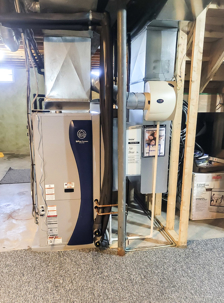
Geothermal proposals can look similar on paper: a certain nominal tonnage, a loop field and an electric backup heater. The annual operating result depends on how those pieces were selected and how often the backup heat is expected to run.
I do not design geothermal only to meet the cooling load and then let heat strips cover a large winter difference without showing that consequence to the homeowner.
A simple example
Suppose a house has a calculated heating load of 60,000 Btu/h at winter design conditions and a cooling load of 36,000 Btu/h. A three-ton unit might align with cooling, but it will not automatically deliver 60,000 Btu/h of heating at the relevant loop temperature. Backup heat would carry the difference during colder periods.
That design may be legitimate. Geothermal equipment and loops are not always sized to cover 100% of peak heating load because larger equipment and bore fields increase first cost and may affect cooling behavior. The homeowner should know the modeled supplemental-heat use and the assumptions behind it.
Equipment capacity is not nameplate tonnage
Use manufacturer performance data at the expected entering water temperature and flow. Geothermal output changes with water conditions, blower setting and operating stage. A variable-capacity unit can modulate through part-load weather, but its maximum still must be compared with the building load.
The loop and unit must agree
An inadequate loop can deliver colder entering water in winter, which reduces heat-pump capacity just when the house needs more heat. That can increase resistance runtime beyond the design estimate.
The loop model, equipment selection and auxiliary-heat calculation should therefore use consistent assumptions. Independent rules of thumb can create a mismatch.
Backup heat is a design tool, not an embarrassment
Electric resistance elements can protect comfort during exceptional weather and provide emergency capacity. The goal is not necessarily zero runtime. The goal is intentional runtime.
Ask the designer:
- What percentage of the annual heating load is expected from the compressor?
- How many hours or how much energy is modeled for supplemental heat?
- At what conditions should the stages operate?
- What happens if a loop pump or compressor is unavailable?
- Can the electrical service and backup generator, if any, carry the planned load?
Why variable capacity can improve the compromise
A variable-capacity geothermal unit can operate at low output for long periods, improving temperature stability and humidity control, then increase capacity as the load rises. ACCA Manual S includes expanded considerations for variable-capacity heat pumps, but modulation still requires correct equipment and loop selection.
Frequently asked questions
Should geothermal be sized for 100% of the heating load?
Not automatically. Climate, cooling load, equipment range, loop cost, electric rate and acceptable supplemental use all matter. The designer should model and disclose the tradeoff.
Why did my geothermal electric bill suddenly rise?
Possible causes include colder weather, unexpected heat-strip operation, reduced loop flow, a heat-pump fault, thermostat changes or other household loads. Measure the system before blaming geothermal as a technology.
Can thermostat setbacks increase backup heat?
Yes. A large recovery request may bring on resistance heat depending on the controls. See Article 1 for a full thermostat discussion.
Design the operating cost before installation
West Jefferson Plumbing & Heating works with geothermal systems throughout Central Ohio, including Circleville and surrounding Pickaway, Ross, Fairfield and Fayette Counties. We evaluate the load, loop and backup heat together and explain the expected operating strategy.
Suggested internal links: HVAC Services; Article 1, Article 5 and Article 14 in this package Authoritative sources: DOE geothermal purchasing guidance; ACCA Manual S