
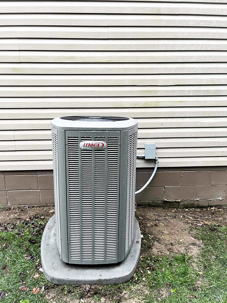
A cool basement can feel damp even when there is no visible leak. Warm outdoor air carries moisture into a below-grade space, where cooler surfaces raise relative humidity. Add foundation seepage, stored materials or limited air movement and the basement can develop musty odors and condensation.
Start by separating bulk water from airborne moisture. A dehumidifier will not repair a foundation leak, failed sump system or plumbing leak.
Keep intended HVAC airflow available
Many finished and unfinished basements have supply and return paths designed to circulate conditioned air. Closing every basement register can leave the space stagnant. If those registers are part of the system design, keeping them appropriately open may help mix and dry the air.
Do not create new openings in ducts or alter combustion-air conditions without professional review. Homes with atmospheric gas appliances require special attention to pressure and venting.
Look for the moisture source
Check for:
- Water entering at walls, floors or window wells.
- An overflowing condensate drain.
- A sump pit without a proper cover where required.
- Clothes dryers or bath fans venting indoors.
- Cold water pipes that sweat.
- Downspouts and grading that direct water toward the foundation.
- Stored wet materials or new-construction moisture.
Correcting the source reduces the equipment required to control the remaining humidity.
Portable versus whole-home dehumidifiers
A portable unit may be adequate for a small basement with a moderate load. Choose it by tested capacity, not tank size, and provide continuous drainage if possible. A unit that shuts off whenever its bucket fills cannot protect the basement during a long humid period.
Whole-home and larger ducted dehumidifiers can remove much more moisture, serve multiple areas and drain automatically. They require proper sizing, airflow, duct connection and condensate disposal. Bigger is not always better; cycling and control location still matter.
EPA recommends keeping relative humidity below 60%, ideally 30–50%. In many Central Ohio basements, a target around the middle of that range is more realistic than trying to force very dry air during the humid season.
Why the AC may not be enough
On a rainy 72°F day, the house may need moisture removal without much temperature reduction. The air conditioner satisfies the thermostat quickly or does not run at all. A dedicated dehumidifier can operate based on humidity rather than temperature.
Variable-capacity cooling can improve moisture removal through longer low-output cycles, but it cannot address active groundwater or a basement isolated from the air distribution.
Frequently asked questions
Will a fan dry the basement?
A fan only moves moisture unless drier air replaces the damp air or a dehumidifier condenses it. Moving very humid outdoor air into a cool basement can make conditions worse.
Where should a portable dehumidifier drain?
Common options include an approved floor drain, condensate pump or sump, depending on local conditions and plumbing design. The hose must slope and remain clear.
Why does the basement smell musty even at 50% humidity?
Odor can remain in porous materials, and a small meter may not represent cool corners or wall cavities. Investigate past wetting and localized moisture rather than treating one reading as the whole diagnosis.
A basement-specific plan
West Jefferson Plumbing & Heating can evaluate humidity, HVAC circulation, drainage and equipment options for basements in Circleville and across Central Ohio. The goal is not simply to sell a larger dehumidifier; it is to identify what is adding moisture and choose a dependable way to remove it.
Suggested internal links: Indoor Air Quality; Sump Pump Services; Article 8 in this package Authoritative source: EPA: The Inside Story—Indoor Air Quality