
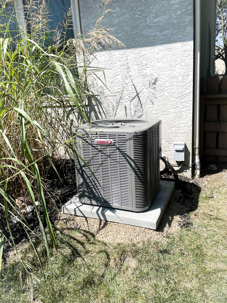
“We will put back the same size that is there now” is not a load calculation. The old unit may have been selected by square footage, carried over from an earlier renovation or oversized because someone wanted to be safe. The house may also have changed through new windows, insulation, additions or air sealing.
Before a major HVAC investment, the contractor should be able to explain what the home actually needs.
Manual J calculates the building load
ACCA Manual J is the recognized residential method for estimating room-by-room or whole-house heating and cooling loads. It accounts for more than floor area, including:
- Local outdoor design conditions.
- Wall, attic and floor insulation.
- Window type, size, orientation and shading.
- Doors, infiltration and ventilation.
- Occupancy and internal heat gains.
- The relationship among rooms, levels and zones.
The result is a load in Btu per hour—not a brand or model number.
Manual S selects the equipment
Manual J does not say, by itself, “install this three-ton heat pump.” ACCA Manual S uses the calculated loads, design conditions and the manufacturer's performance data to select equipment that can meet those needs.
This matters because a nominal model does not deliver the same capacity at every outdoor temperature. Heat-pump heating output changes with weather, and cooling performance changes with indoor and outdoor conditions. Manual S connects the building requirement to actual equipment data.
Manual D addresses the duct system
Manual D is the residential duct-design procedure. It considers required airflow, duct lengths, fittings, available pressure and materials. A four-ton cabinet attached to ducts that can safely deliver only three tons of airflow is not a four-ton comfort system in practice.
For new construction, the load, equipment selection and duct design should be coordinated. For replacement work, the existing ducts should still be evaluated before increasing capacity or airflow.
Why oversized equipment can be uncomfortable
Oversizing is often sold as protection against extreme weather. In cooling, a large single-stage unit can satisfy temperature quickly and shut off before removing enough moisture. Short cycles can create temperature swings, sound changes and added starting wear. In heating, oversizing can also create short cycles and duct-noise problems.
Variable-capacity equipment has a broader operating range and can tolerate some conditions differently, but it does not make the load calculation optional. The upper and lower capacity ranges, dehumidification performance, backup heat and ducts still need to fit the house.
What homeowners should ask to see
Before approving a replacement proposal, ask:
- Was a Manual J calculation performed for this house?
- What are the heating and cooling loads?
- What indoor and outdoor design conditions were used?
- Were additions, finished basements and insulation improvements included?
- How was the proposed equipment selected from manufacturer performance data?
- Can the existing ductwork carry the required airflow?
- For a heat pump, what is the expected balance point and backup-heat strategy?
A polished estimate is not a substitute for those answers.
Can a homeowner run a Manual J app?
Consumer-accessible tools can help a homeowner understand the inputs and identify obviously inconsistent proposals. The result is only as reliable as the measurements and assumptions. ACCA maintains a list of approved software; not every online calculator produces a standards-compliant result.
Complex zoning, multiple systems, unusual construction and geothermal design require additional judgment. A professional calculation should be documented so the homeowner can see how the recommendation was reached.
Frequently asked questions
Is square footage ever enough to size HVAC?
No. Two homes with the same area can have very different glazing, insulation, orientation, leakage and occupancy.
Does Manual J guarantee even temperatures?
It is a critical foundation, but equipment selection, duct design, installation, balancing and controls must also be correct.
Should a replacement always match the old tonnage?
No. Existing size is one piece of evidence, not proof. Verify the current load and duct capacity.
Design before equipment
West Jefferson Plumbing & Heating uses building and equipment information to recommend a system for the home rather than simply repeating the nameplate in the basement. We serve Central Ohio homeowners, builders and remodelers, including Circleville and surrounding Pickaway, Ross, Fairfield and Fayette Counties.
Suggested internal links: HVAC Services; Circleville Service Area; Article 3 in this package Authoritative sources: ACCA Manual S; ACCA-approved software; ACCA system-design review
Homeowner question that inspired this article: A homeowner questions several five-ton replacement recommendations that were not based on a documented Manual J